A sculpture on a canal path is not a sign. It does not direct or explain. What it does, when it is made well and made specifically, is stop someone mid-stride and return them to the place they are standing in. It makes the familiar strange enough to be seen again.
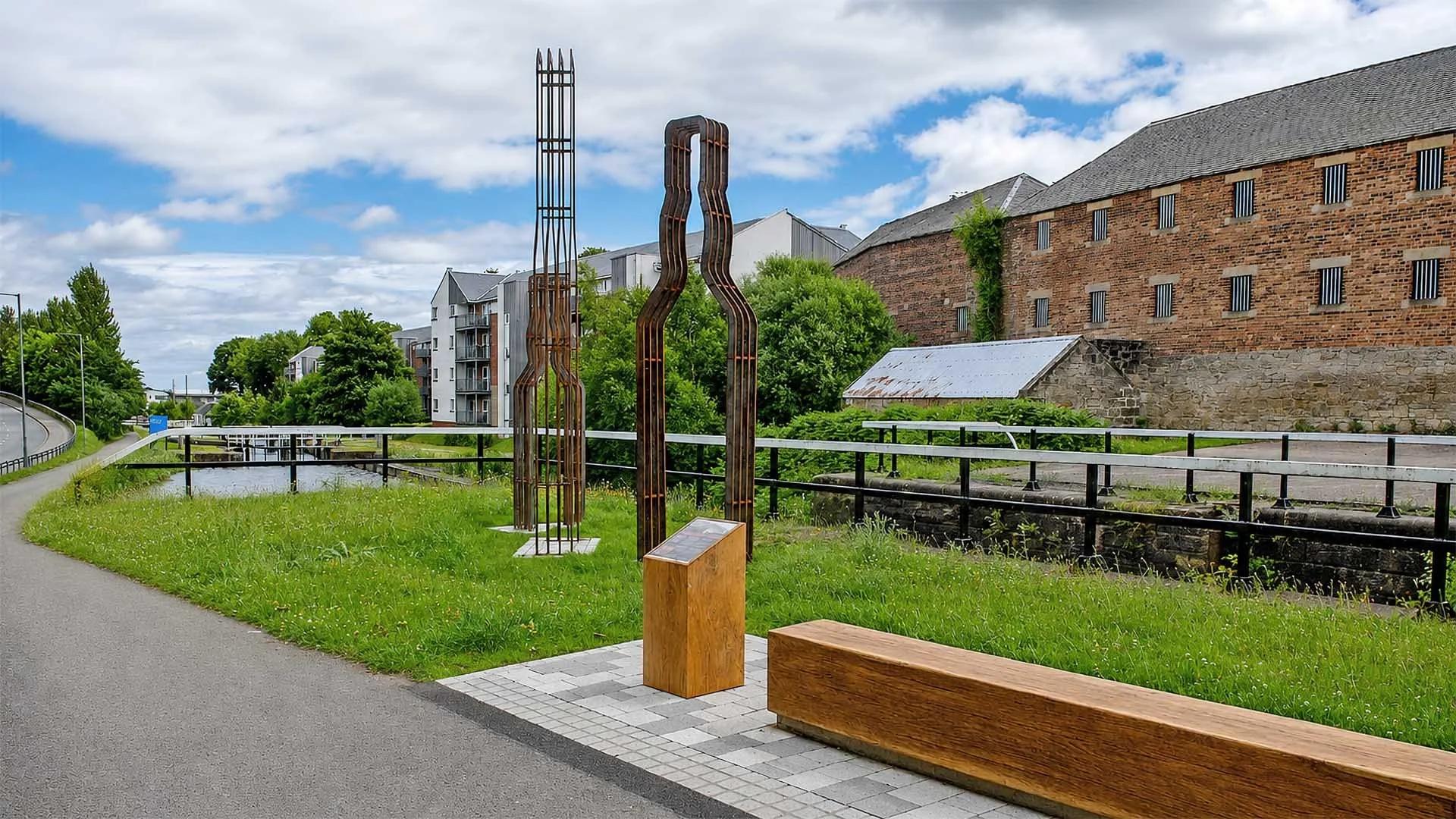
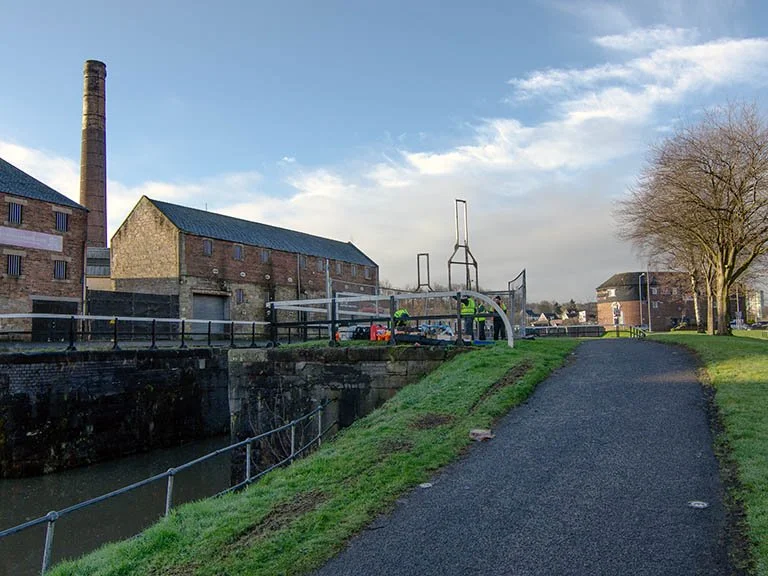
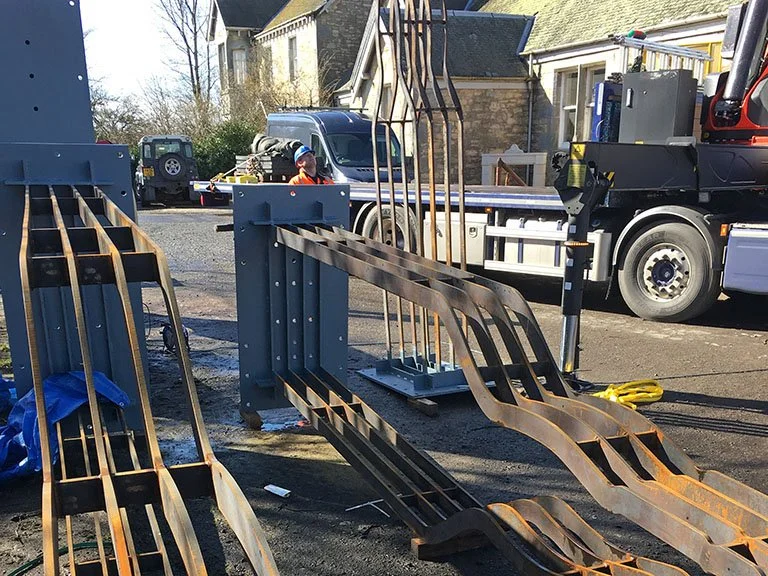
The whisky bottle sculpture opposite Rosebank was conceived as exactly that kind of moment. A form drawn from the cultural life of the site, the distillery that operated for more than 150 years on the opposite bank, producing one of Scotland’s most respected Lowland whiskies, translated into a sculptural object that belongs to the canal path as completely as the water beside it.
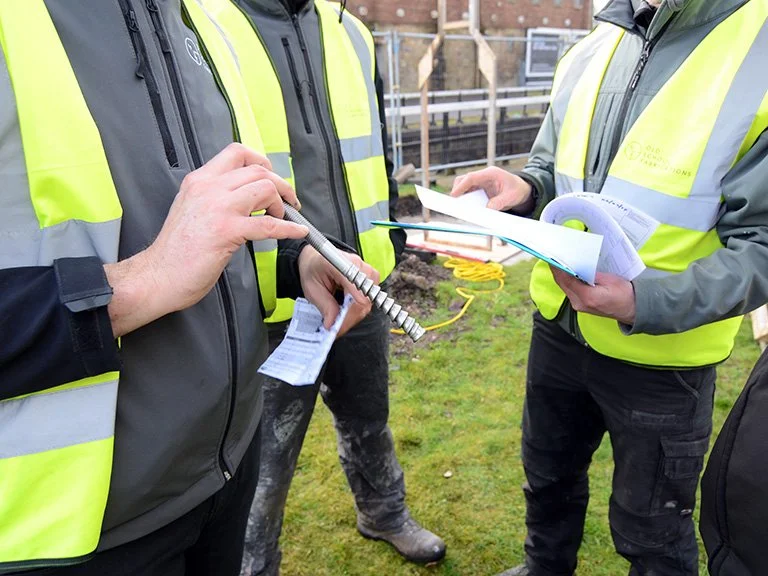
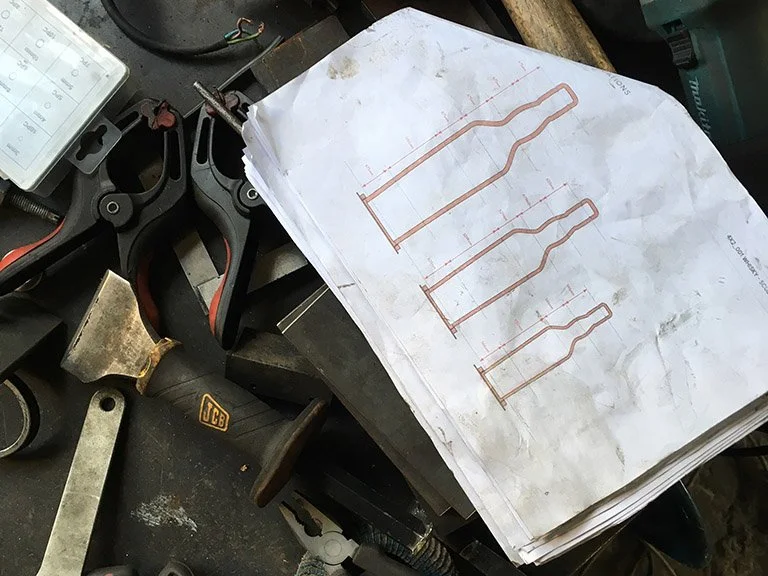
Creating work at this scale demands more than artistic vision. It demands the discipline of making things that stand: in weather, in public space, under the weight of daily encounter. At goodstrife, sculpture is the meeting point of artistry and engineering, imagination and material reality. The form must be true to the idea. The structure must be true to the form. That tension, held and resolved through the making process, is where the work becomes what it is meant to be.